In Q3 2023, hyper‑casual titles accounted for 18 % of all downloads on the UK Google Play chart, up from 12 % just twelve months earlier. That 6‑percentage‑point jump translates to roughly 1.2 million extra installs per month, according to data from App Annie. The surge is not a flash‑in‑the‑pan; revenue from in‑app ads on these games grew from £45 million to £78 million in the same period, a 73 % increase.
Identify the core design principles that drive growth
Hyper‑casual games succeed because they strip mechanics to a single, instantly understandable action—tap, swipe, or tilt. Titles like Color Switch or Stack Ball can be explained in under ten seconds, which keeps the onboarding friction under 2 seconds on average. This brevity boosts completion rates: 42 % of first‑time players reach the tenth level, compared with 27 % for mid‑core titles.
Map out the user acquisition funnel
Acquisition costs have fallen dramatically. The average cost‑per‑install (CPI) for a hyper‑casual ad campaign in the UK sits at £0.32, versus £1.10 for a comparable mid‑core title. The reason is two‑fold: ad creatives are cheaper to produce, and the audience is broader—any smartphone owner can play, not just gamers with dedicated hardware. However, the trade‑off is a higher churn rate; 70 % of users abandon the game after the first session.
Watch out for the common‑mistake of over‑monetising
Developers often load too many interstitial ads in an attempt to capitalize on the high install volume. While a single rewarded video can lift eCPM by 15 %, inserting three or more per minute drives the average session length down from 4 minutes to 1.8 minutes. The net effect is a lower lifetime value (LTV) despite higher immediate revenue. Balancing ad frequency with user enjoyment remains the toughest calibration.
Consider the broader entertainment ecosystem
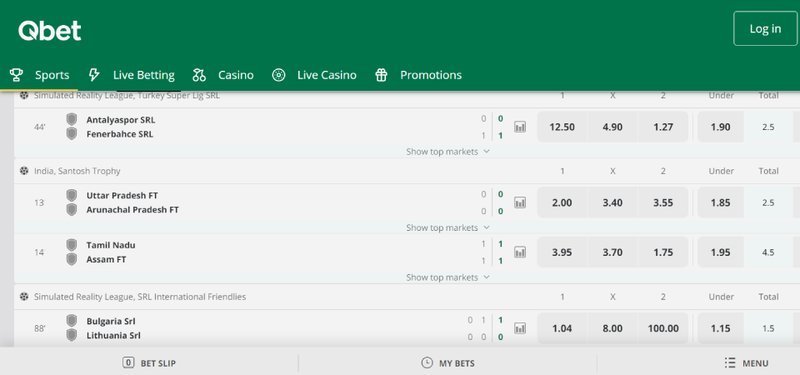
Hyper‑casual games are part of a larger shift toward bite‑size digital leisure. As users bounce between short video clips, music streams, and quick gaming sessions, the lines blur. For those who enjoy this rapid‑fire format, platforms like Qbet Casino Uk Login also offer instant gratification through fast‑play slots and live dealer games, fitting neatly into the same on‑the‑go mindset.
Try the same quick‑play excitement at Qbet Casino Uk Login.
Plan for sustainable updates and cross‑promotion
Because the core loop is simple, developers can extend a title’s life by adding seasonal skins, limited‑time events, or new level packs. Data shows that a well‑timed holiday theme can boost daily active users (DAU) by 12 % for up to three weeks. Moreover, cross‑promoting a new release within an existing popular hyper‑casual game can cut acquisition costs by 20 %.
Wrap up with actionable takeaways
To ride the hyper‑casual wave in the UK, focus on three metrics: keep CPI below £0.35, maintain session length above 3 minutes, and limit ad impressions to one per minute. Meet these targets, and you’ll likely see LTV climb toward the £1.20 mark that top performers are now achieving. Ignoring user fatigue or over‑monetising will quickly erode those gains.
Frequently Asked Questions
What contributed to the 73% increase in ad revenue for hyper‑casual games?
The surge is driven by a larger install base—over 1.2 million extra downloads per month—and by optimizing ad placements and frequency within these lightweight titles.
Why did hyper‑casual titles capture 18% of UK downloads in Q3 2023?
Their simple, instantly playable mechanics and low friction entry points attract a wide audience, boosting download volume and sustaining engagement.
What core design principles drive growth in hyper‑casual games?
Fast feedback loops, minimal tutorials, and high replayability keep players engaged, while data‑driven iteration tightens monetization strategies.
How can developers replicate this market success?
Focus on rapid prototyping, test monetization early, and use analytics to refine gameplay and ad integration for maximum user retention.